

Clean, safe drinking water is something most New Zealanders expect—but what’s actually in your water supply may surprise you.
From rural bores to town supply, water can contain a range of contaminants that affect your health, your appliances, and even the taste and smell of your water. The good news is that modern water filtration systems are designed to remove these contaminants effectively.
In this guide, we explain exactly what a water filter removes, how different systems work, and how to choose the right solution for your home or farm.
Why Water Filtration Matters in New Zealand.
Water quality across New Zealand varies significantly depending on your source.
Town supply water often contains chlorine, sediment, and sometimes nitrates
Rural water sources (bores, streams, roof water) can contain bacteria, parasites, and heavy metals
Agricultural areas may have elevated nitrate levels due to land use
Even when water meets basic compliance standards, it may still contain substances that affect taste, odour, and long-term health.
What Does a Water Filter Remove?
Different filtration systems target different contaminants. Below is a breakdown of the most common substances removed by modern water filters.
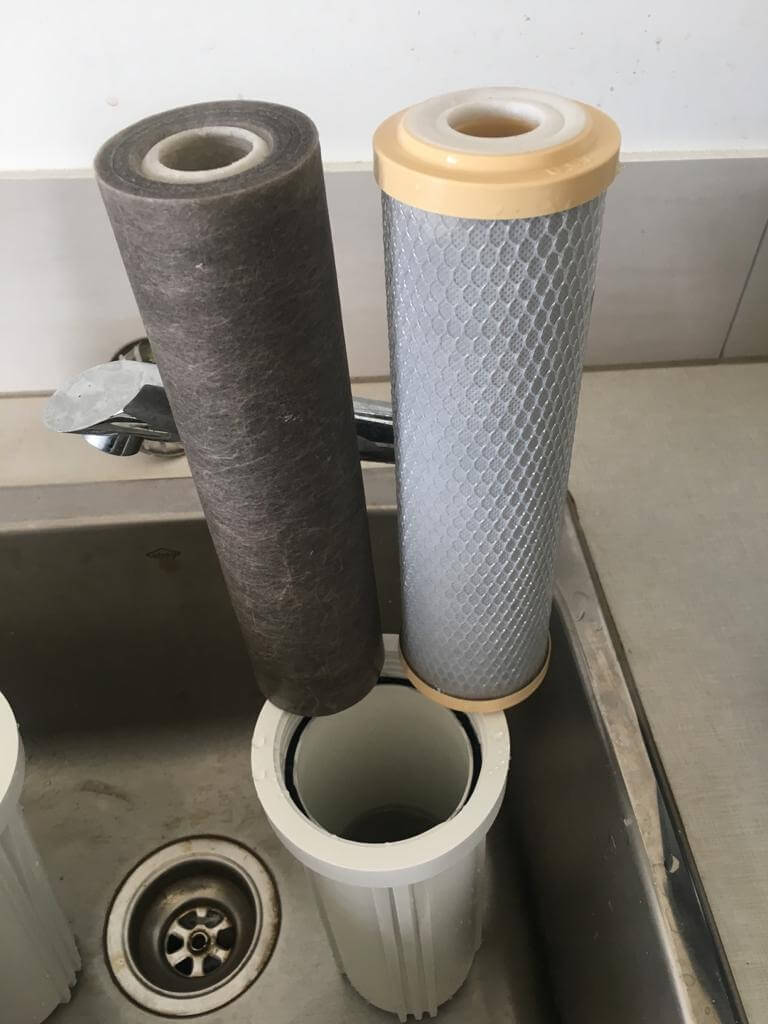
Sediment is one of the most common issues in both rural and town water supplies.
Sources:
Bore and well water
Old or corroding pipes
Tank water contamination
What filtration does:
Sediment filters (typically 1–20 micron) physically remove:
Dirt and sand
Rust particles
Organic debris
Why it matters:
Protects appliances and plumbing
Prevents clogging of other filters
Improves water clarity
Chlorine is commonly added to town water to disinfect it—but it comes with drawbacks.
What carbon filters remove:
Chlorine
Chlorine by-products (THMs)
Pesticides and herbicides
Industrial chemicals
Why it matters:
Improves taste and smell
Reduces skin irritation and dryness
Protects long-term health
Biological contamination is a major concern in rural water supplies.
Common risks:
E. coli
Giardia
Cryptosporidium
How they are removed:
UV disinfection systems destroy microorganisms at a DNA level
Pre-filtration ensures UV effectiveness
Why it matters:
Prevents waterborne illness
Essential for untreated rural water
Nitrates are increasingly found in agricultural regions such as Canterbury.
Sources:
- Fertiliser runoff
- Intensive farming
What removes nitrates:
Reverse Osmosis (RO) systems
Ion exchange systems
Why it matters:
Linked to health risks, especially for infants
Cannot be removed by standard carbon filters
Choosing the Right Water Filter System.
Not all filters are the same. The right system depends on your water source and concerns.
Typical Filtration Canterbury solution:
Stage 1: Sediment filtration (removes particles)
Stage 2: Carbon filtration (removes chlorine & chemicals)
Stage 3: UV disinfection (kills bacteria)
Optional: Reverse osmosis (removes nitrates & heavy metals)
This layered approach provides complete protection for most New Zealand homes.
Final Thoughts: Protecting Your Water, Protecting Your Health
Water filtration is no longer a luxury—it’s a necessity for many New Zealand households.
By installing the right system, you can:
Remove harmful contaminants
Improve taste and clarity
Protect your family’s health
Extend the life of your appliances
At Filtration Canterbury, we specialise in water treatment solutions tailored to New Zealand conditions.
Free phone: 0508 FILTER (0508 345837)
Email: admin@filtrationcanterbury.co.nz
Website: https://www.filtrationcanterbury.co.nz
Not sure what you need? Get in touch for a free recommendation tailored to your water supply.